Germany is home to some of the most charming and meaningful Easter traditions in Europe. With roots that stretch deep into both Christian beliefs and pre-Christian customs, German Easter traditions blend spirituality, folklore, and springtime celebration in ways that are both time-honored and joyful. Whether you’re witnessing an Osterfeuer (Easter bonfire), painting intricate Ostereier (Easter eggs), or exploring quaint Easter markets in small towns, you’ll find that Easter in Germany is not just a religious holiday—it’s a season filled with life, color, and community.
German Easter traditions are celebrated with enthusiasm across the country, from urban centers like Berlin and Munich to quiet villages tucked away in the Bavarian Alps. The festivities typically begin weeks before Easter Sunday with the start of Lent (Fastenzeit), leading into Palm Sunday (Palmsonntag), Good Friday (Karfreitag), and Easter Sunday (Ostersonntag). Each of these days carries its own customs, many of which date back centuries and are still lovingly upheld by families today.
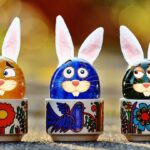
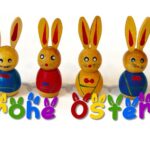
One of the most iconic symbols of German Easter is the Osterhase, or Easter Bunny, which is believed to have originated in southwestern Germany. The idea of a hare bringing colorful eggs to children was first documented in the 17th century, and it has since become a beloved tradition not only in Germany but around the world. Children create handmade nests for the Osterhase to fill with treats, while egg hunts and family gatherings fill Easter weekend with excitement.
Decorating Easter eggs, or Ostereier bemalen, is another treasured activity in German households. These eggs often feature intricate patterns and vibrant colors, and in some regions, they’re even used to decorate outdoor trees—known as Osterbäume. This beautiful tradition turns gardens and public squares into joyful bursts of springtime color, symbolizing rebirth and new beginnings.
Other customs include the lighting of Easter fires in northern and central Germany, thought to chase away the darkness of winter and welcome the light of spring. Traditional foods also play a central role, with dishes like lamb, sweet breads, and regional pastries bringing families together around the table.
In this section, you’ll find a curated selection of articles that explore these traditions in detail—from the history of the Easter Bunny to unique regional customs and festive recipes. Whether you’re planning a visit to Germany during the Easter season, looking to incorporate German customs into your own celebrations, or simply fascinated by the richness of European traditions, our Easter collection offers something for everyone.
Scroll down to explore our featured articles and discover the beauty, history, and heartwarming customs behind German Easter traditions.
Featured Articles
Decorating Easter Eggs in Germany Discover the artistry behind Germany’s beautifully decorated eggs, from hand-painting techniques to the tradition of the Osterbaum (Easter egg tree).
Easter Egg Hunts in Germany Egg hunts aren’t just for kids—learn how communities across Germany turn the humble egg into a centerpiece of fun, family, and folklore.
Easter in East vs. West Germany Explore how Easter traditions differed during the division of Germany and how cultural practices have merged or endured since reunification.
Easter Sunday vs. Easter Monday in Germany Understand how Easter is celebrated over two days and the unique traditions that distinguish Easter Sunday from Easter Monday.
German Easter Foods From lamb roasts to sweet braided breads, explore the traditional dishes that bring German families together around the Easter table.
German Easter Markets Step into the vibrant world of Easter markets, where you’ll find hand-painted eggs, spring decorations, and sweet treats that welcome the season with joy.
German Easter Recipes
Discover authentic German Easter recipes, from Osterbrot to Festtagsbraten. Explore traditional dishes and bring festive German flavors to your Easter table!
German Easter Songs and Poems Celebrate the season through traditional German Easter music and poetry that reflect the joy and reverence of this sacred time.
How Germans Celebrate Easter Learn how families across Germany mark Easter, from church services and bonfires to festive meals and regional traditions that vary from north to south.
How Germany Celebrates Easter
Discover how Germany celebrates Easter with traditions that predate Christianity. Explore Easter fires, decorated eggs, and pagan spring festivals.
How to Say “Happy Easter” in German Want to greet someone in German this Easter? Learn the phrases and their cultural context for wishing friends and family well during the holiday.
The History of Easter in Germany Discover the origins of Easter in Germany, tracing the celebration from its pre-Christian roots to its evolution into one of the most cherished holidays in the German calendar.
The Meaning of Ostern Unpack the meaning behind the German word “Ostern” and how its significance is woven into the spiritual and seasonal themes of renewal and rebirth.
The Symbolism of Easter Fires Easter bonfires are a fiery spectacle rooted in ancient rituals. Learn how Germans use fire to celebrate light, life, and the changing of the seasons.